
Consciousness and Connection: Reflections from a Plant-Based Kitchen
By Safina Center Environmental History and Music Fellow Priya Parrotta
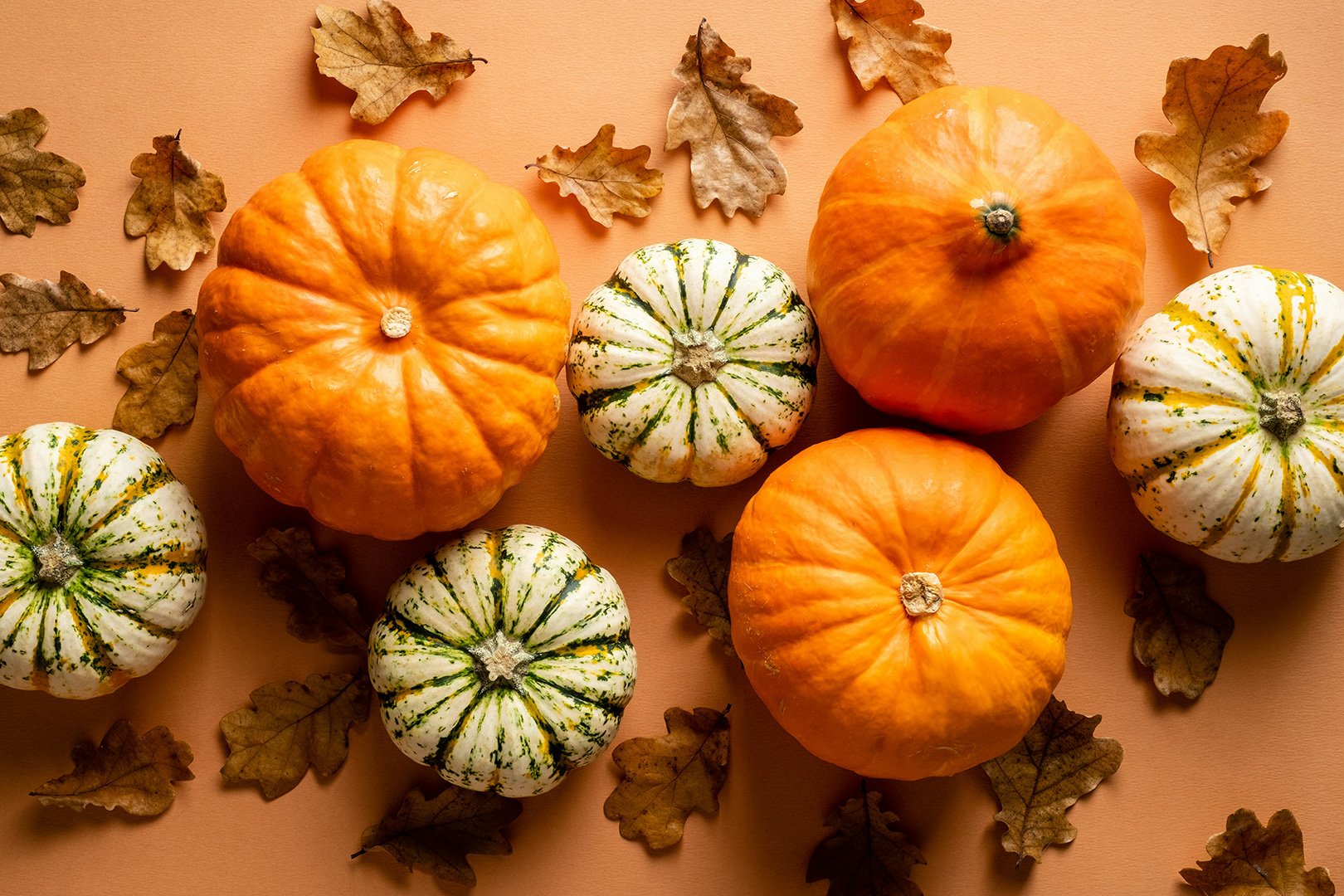
Photo by Getty Images, licensed under Unsplash+
These past few months, while navigating a couple of life transitions, spending more time than usual in the quiet company of my own spirit and with a small number of loved ones, I have found myself embracing a new hobby: delving into the joys of plant-based cooking.
With this excellent cookbook as a guide, I have been trying out a few new plant-based dishes each week. Along the way, I’ve been learning certain core principles of plant-based cooking which can be applied to a variety of recipes. As I currently live close to a couple farmers’ markets, I’ve been buying seasonal produce, getting into some lovely conversations in the process. And at times, I look up the fruits, vegetables, pulses and grains in my dishes, taking particular joy in learning about their healing properties and their rich, ancient histories.
There is something beautifully grounding in all of this. I find myself reconnecting with an idea that first completely captured my imagination when I was fourteen or so: that an essential element of environmental consciousness is, in mind and body and heart, embracing a humble and simple life.
I was fortunate to have grown up with people who practiced such values and passed them on, firmly believing that they were an essential part of one’s ‘home training.’ My mother, a scholar of (among many other subjects) Gandhian thought, always supported my interest in the deep links between systemic social change and the principles by which people live their own lives. My father, meanwhile, taught me the art of embracing nature’s smallest details; and has devoted much of his career to quiet, meticulous botanical research, culminating in volumes such as this. My maternal grandfather, who read and memorized entire encyclopedias for the pure joy of it, nurtured my love of yogic philosophy. He affirmed the idea that life is just as much an inner journey as an outer one; and that one’s personal achievements are of less consequence than the spiritual path to see beyond one’s own ego. And my maternal grandmother, a wonderful Carnatic (classical South Indian) singer, taught me by example that musical ability is not always something to be publicly displayed. For her, music was, at its heart, about connecting to the invisible, transcendent divine, to the part of us that is magical precisely because it cannot be seen by others.
As a Millennial, the broader social context I grew up in was less embracing of quiet, private joys. As teenagers, guided by the dubious and unexamined logic of social media, we began to believe that life is not really to be experienced, but rather to be ‘shared’ online. Our true sources of contentment and connection were replaced by the idea that the goal of social, and indeed, personal life was to be ‘liked’ and, quite ludicrously, ‘followed.’ It was not enough, for instance, to enjoy a simple meal with loved ones: In order for it to mean anything, to be ‘worth’ anything, it had to be publicized. ‘Sharing’ was transformed from something based on love, trust, and true friendship—qualities that can only be developed intimately, over a long period of time—into something flat, valuable because it enhanced our social (and later, professional) status. The real world, in which we lived and breathed and moved, was in many ways made subservient to a world of facsimiles. Pressured by one another, and by the rapidly changing geography of public life, we actively participated in this new, strange place. And in the process, all of the narcissism and insecurity which might have otherwise been smoothed out by time and maturity became an integral part of how we saw ourselves. Twenty years later, too many of us are still living out the consequences of this.
As I’ve moved through this plant-based culinary journey, some friends and relatives have been saying that I should post my meals on Facebook or Instagram. As plant-based living is something that means a great deal to me, and is a lifestyle choice that I wish more people would adopt, I sincerely understand this impulse. But I know that I’ll never do it. For one thing, any aspiring vegan cook would benefit far more from borrowing or buying a plant-based cookbook than from seeing any photo I might take. For another, the beauty of life off-camera is too lovely to trade in. Most of the magic of this slower, plant-based lifestyle—to me, at least—lies in the fact that it takes one away from the static and noise that fills our days, and helps one return to a quieter state of mind. And in that state of mind, we can experience much deeper ties to what we eat, why we eat, and with whom we share our physical and emotional sustenance.
As we enter the holiday season, a time when the rushed and acquisitive logic of consumerism is often bizarrely conflated with messages of love and connection, I find myself reflecting upon the simple things in life—the things that take you away from the hustle and the crowds. And along with that, I am grateful to recall that life is not always about what you do publicly. Often, it is about the horizons of peace and love that open up in our hearts, and in our relationships, when we are not thinking about our outward selves at all.