
When Climate Media Becomes A Tool For Civic Engagement
By Safina Center Conservation Videography Fellow Isaias Hernandez
This past March, I hosted a Native Plant Ecology field trip in partnership with Theodore Payne Foundation, following the release of our Local Ecology episode for Teaching Climate Together, which we originally filmed in May 2025.
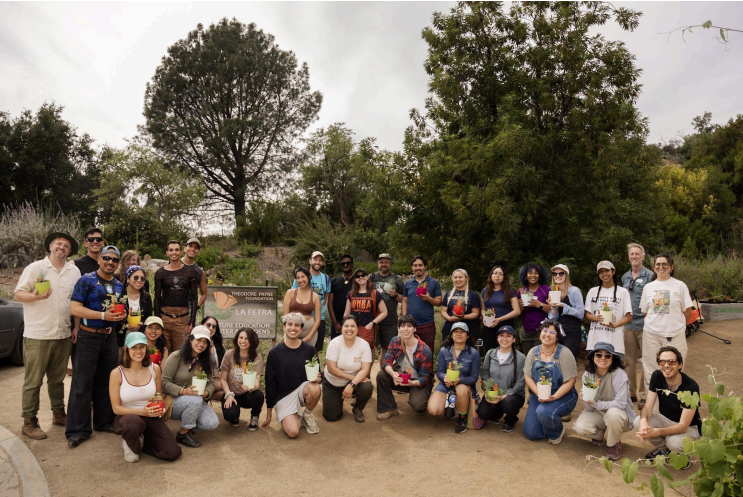
Photographed by Sabrina Carlos
The core vision behind the episode was to spotlight the extraordinary biodiversity of Southern California’s native plants, while deepening local residents’ relationship to the ecosystems they call home. While environmental education can inspire curiosity, my goal was to take that learning one step further: transforming inspiration into civic advocacy among Los Angeles Residents.
Teaching Climate Together is an independent climate education web series that moves beyond media impressions to build civic engagement, environmental literacy, and cross-sector collaboration. Through field-based episodes and place-rooted storytelling, the series bridges nonprofits, scientists, changemakers, and audiences across industries, transforming climate curiosity into participation and action.
After each episode, I organize immersive field trips that invite people outdoors, not only to deepen their understanding of the featured topic, but also to engage in critical conversations around local policy, systems change, and how residents can become more politically active in their own communities. Participants learned about the history of native plants, created their own native plant pot, and connected with others.
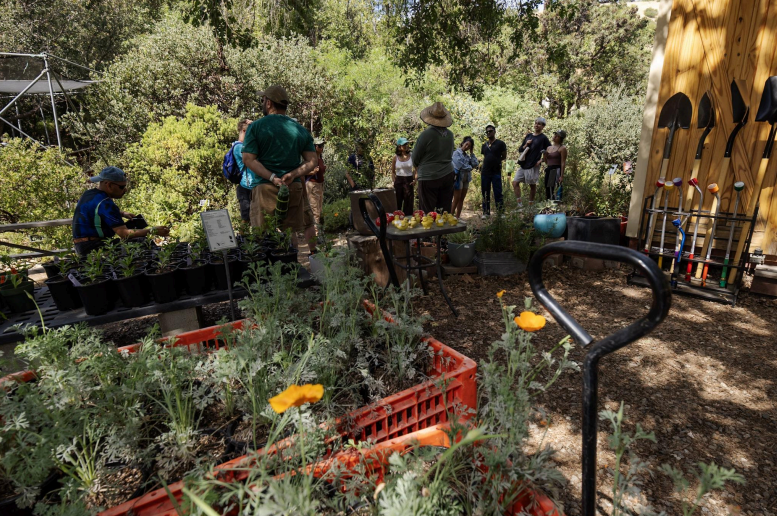
Data matters because impact should be measurable. While approximately 50 people attended this field trip, it was important for me to capture how the experience shifted knowledge, behavior, and civic intention.
Here are a few key findings from the participant survey:
Increase in knowledge of California native plants (1–5 scale):
46.7% selected 5,
40% selected 4,
13.3% selected 3
Likelihood of incorporating native plants into home, garden, or community spaces (1–5 scale):
80% selected 5 (Very Likely)
20% selected 4 (Likely)
Likelihood of taking civic action in support of native plants, pollinators, or local biodiversity in Los Angeles (1–5 scale):
73% selected 5 (Very Likely),
27% selected 4 (Likely)
Beyond the survey data, there was also an intentional campaign activation embedded into the experience. In partnership with the Theodore Payne Foundation, we distributed postcards for the California Volunteers Climate Action Counts campaign, an initiative from the California Governor’s Office that aims to unite one million Californians in collective climate action.
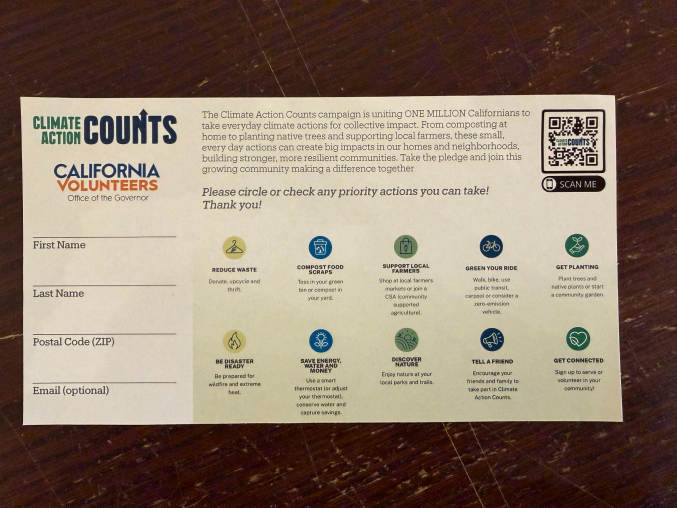
From composting at home to planting native trees and supporting local farmers, these everyday choices scale into measurable community resilience. Through this activation, 15 participants signed the climate pledge, directly connecting the educational experience to California’s broader biodiversity and climate goals.
Rather than treating audiences as passive consumers, Teaching Climate Together invites viewers and participants into the systems shaping biodiversity, food, and land use, helping them understand where power lives, how policy moves, and how change actually happens.
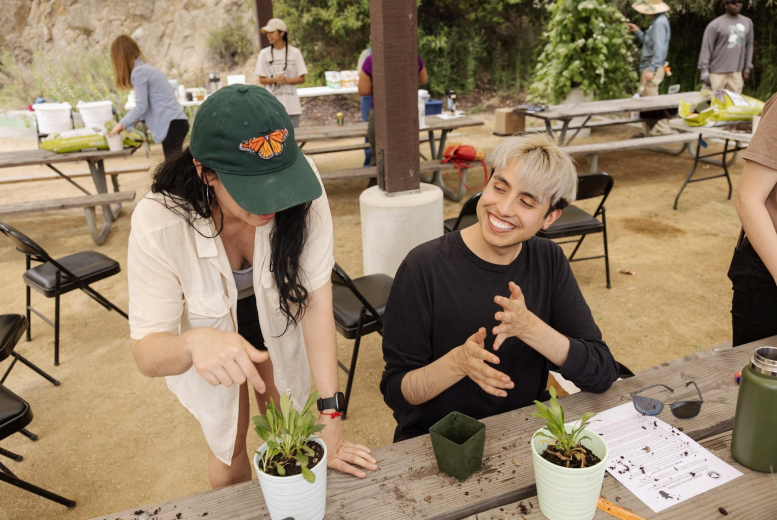
This is what climate media can look like when storytelling is designed not just for awareness, but for public participation, civic literacy, and measurable action.