
From Classical to Cosmopolitan: A Musical Journey
By Environmental History and Music Fellow Dr. Priya Parrotta
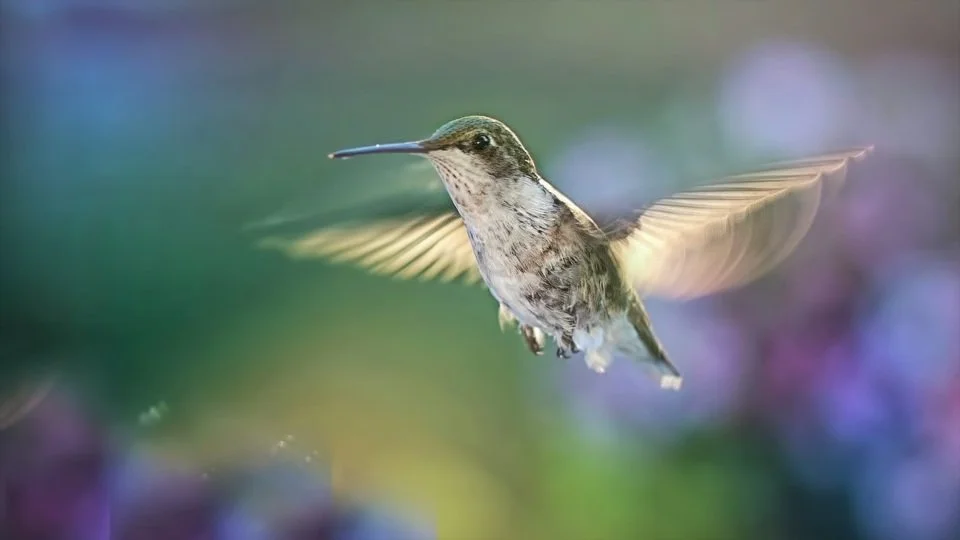
Port Meadow - Available to listen here
Across the street from the Conservatorio de Música de Puerto Rico, there is a café called Gustos. My de facto office when I am here in San Juan, Gustos, is a marvelous place to overhear conversations and to be overheard oneself. As the Conservatorio is located a few short steps away, Gustos has become a hangout, as it were, for music students, professors, and performers alike. The jazz and reggae played on the speakers blend with conversations about masterclasses and juries, recording sessions, and performance pressure. Being in this space reminds me of my own education as a classical vocalist, and fills me with gratitude not only for what I was taught, but also where the wide and wonderful world has taken me since.
I started singing in public at the age of six (long live home videos!), and at fifteen began studying opera with Soprano Margarita Castro Alberty. An internationally celebrated prima donna who in the 1970s and 80s performed starring roles on the world’s most prestigious stages, Margarita taught me in her home, a penthouse apartment in San Juan which overlooked the sea. The lessons she imparted became, in my mind and heart, inextricably linked to the ocean. The rhythm, power, and stunning beauty of the waves were reflected in her voice. Over the course of several years, I came to feel that the human voice was deeply linked to the Earth, and that one of the most sublime experiences one can have as a singer is, indeed, to encounter the ‘oceanic feeling’ which has been so eloquently described by poets and philosophers of times past.

Luna Laguna - Available to listen here
My experiences with Margarita were something of an exception in the world of classical music. Generally speaking, the classical world tends not to celebrate the connections between music and the Earth – the links to the more-than-human world which become possible as one becomes deeply acquainted with sound and space. In the classical music program(s) I encountered in my early twenties, great emphasis was placed on controlling one’s instrument. For singers, there was a sense that musical capability came from domesticating, rather than liberating, the voice. Our lessons certainly had their beauties and their rewards; however, we were generally not encouraged to openly and joyfully explore the voice’s various dimensions and horizons. Instead, we were taught how to ‘get things right’ and ‘avoid mistakes’ within the specific and bounded parameters of a given piece and/or performance venue. And while I did not really see it this way at the time, I now believe that this sort of attitude has consequences not only for one’s own freedom as a performer, but also for one’s connection to the natural world.
Over time, I came to find that in certain classical contexts, music is regarded as ontologically separate from the natural world. That is to say, music is seen as something attained by disciplining the human mind and body, while ignoring the organic ‘wildness’ which so often nourishes our bodies and minds in the first place. The repertoire that opera singers learn is meant to be performed in a manner laid down by the ‘masters’ of old, and is often removed from the rhythms and harmonies of the air, the land, and the sea. And while classical music is performed in a diversity of venues, performance itself is seen first and foremost as a presentation for a human audience, who have come into the space with expectations that have little to do with the music one might learn from nature. Classical training is thus filled with norms that, if gone unquestioned, socialize us into thinking that the most refined and most impressive music is made so because it is nurtured in settings that are removed from the vibrancy and variety of the natural world.
The historical reasons for this sort of removal from the more-than-human world are complex. As is the case with contemporary culture in general, the interwoven realities and legacies of colonialism, capitalist expansion, environmental degradation, misogyny, and commercialization have all affected the way music is appreciated and practiced within most musical spaces. Such a general statement certainly requires an elaboration far, far longer than what I can offer here. In practical terms, this sense of separation from the Earth led me to seek different horizons for my musicianship, venturing away from the institutions and practices of classical music.
These varied, eclectic, and completely unsupervised wanderings and inquiries have led to a form of original composition which I can only describe as ‘cosmopolitan.’ The music I have written in the last few years combines certain elements of a classical education with a wide diversity of musical influences around the world. The result, I have gathered from a global community of listeners, is a repertoire that expresses a yearning for true peace on Earth in ways that resonate across cultural borders. These songs are cosmopolitan not only in a social sense, but also in a philosophical sense; for to bring about true sustainability, I believe that we must remember that we are united by a certain ‘world soul’ which humbles itself to the Earth and to the stars. Unlike the wealth-based cosmopolitanism of first-class lounges and five-star hotels, this is a sort of cosmopolitanism that relies upon a deep connection to nature; has nothing whatsoever to do with money; and is based upon the values of kindness and gentleness — the things we need to truly be a global community.
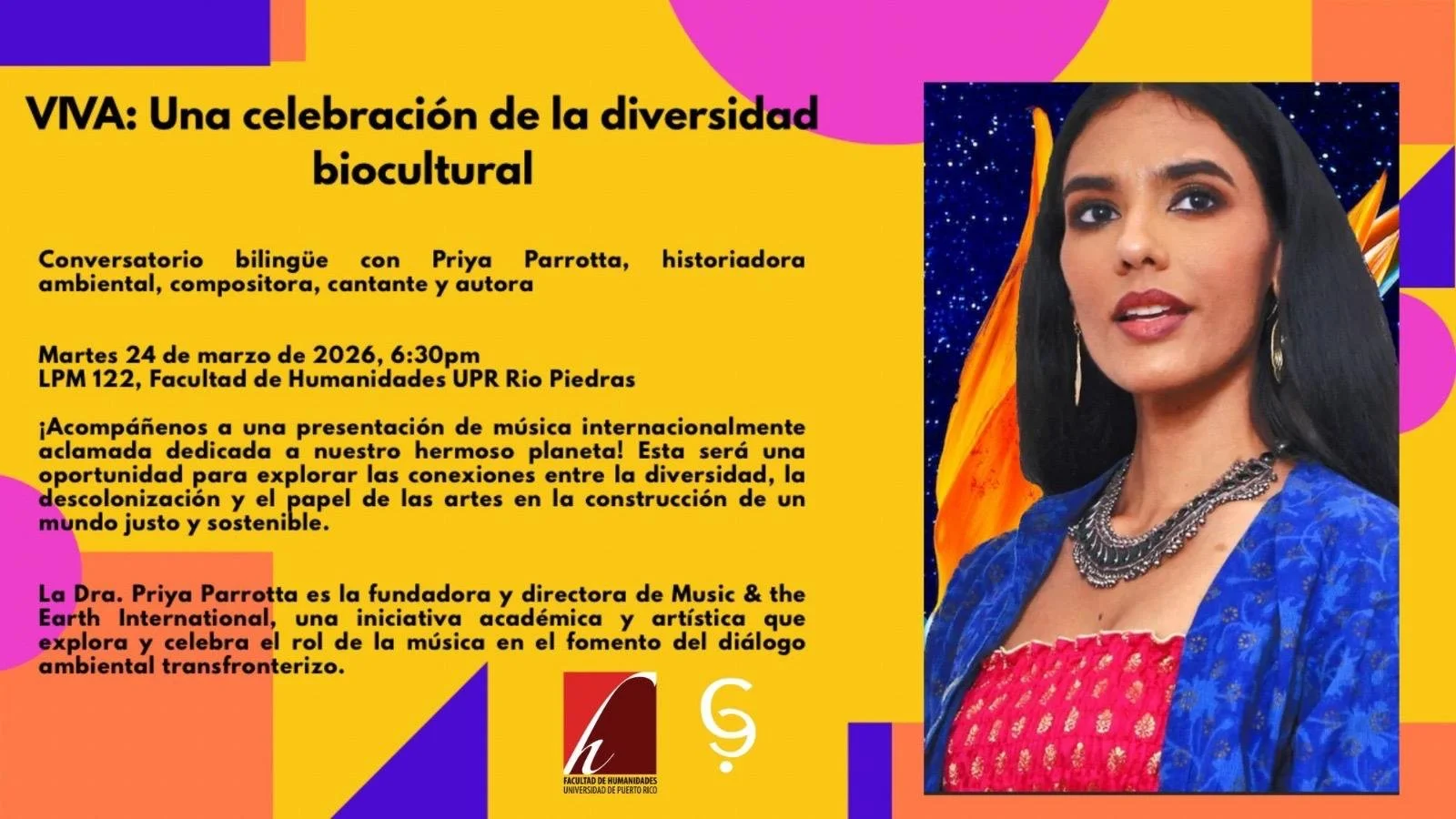
Flyer for University of Puerto Rico VIVA event
Lately, I’ve begun to bring my own music into the spaces that I once associated chiefly with established, and in many ways immutable, repertoires and techniques. One such event took place a couple of weeks ago at the University of Puerto Rico: a show called VIVA, which consisted of a presentation of music followed by a soulful and wide-ranging discussion. The conversation that followed the music was so, so different from the conversations that tend to take place following rehearsals and recitals. Owing to the discernment of the faculty and students in the audience, our discussion covered an exhilarating variety of topics. We considered:
1) How environmental music resonates with both our inner and outer lives
2) The relationship between healing frequencies and original vocal melodies
3) The way one justifies the artistic choices made when composing fusion pieces
4) The importance of interdisciplinarity in environmental songwriting
5) The connections between this music and the insights of physicists
6) The qualities of temperature in visual art, and the way they interact with sound
7) What de-commercialized music can offer
8) Shifting one’s perspective away from an egocentric mode of music dissemination
9) And, in general, the horizons of collective and personal healing that emerge from music of this kind.
This was a conversation that engaged with a wide tapestry of human feeling and experience, which filled me with the most wonderful sense of satisfaction. It also made me feel like music is at its greatest effect when it combines technical subtlety with the oceanic experience of belonging to an immense, planetary creation. These days, I find myself filled with gratitude for the journey — for the way that discipline and nuance open up certain important horizons in one’s musicianship, and also for the ever-unfolding realization that one’s true voice and purpose come from artistic explorations that take you in unique and at times uncharted directions.
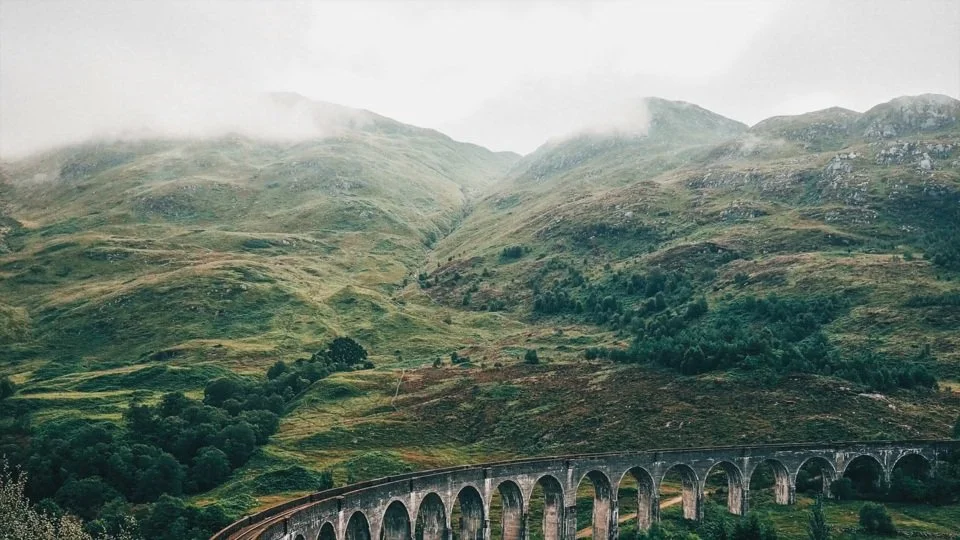
Highlands - Available to listen here