
Compassion and Community: Field Notes from the Vegan Movement
By Safina Center Senior Fellow Priya Parrotta
To listen to Priya's album of jazz- and bossa nova-inspired songs for the plant-based movement, please visit here.
Some months ago, when Washington, DC was still frosted over and shimmering with snow and ice, I participated in a community activity which, with the notable exception of choral services, is a relatively rare occurrence for me: I went to church. Waking up early on a chilly Sunday morning, a few friends and I piled into a car and headed to a town about twenty miles from DC. As members of the Advisory Board of an organization called Ark of Compassion, we took this mini-road trip to help out with a program that reminded me of some important lessons about communication and compassion across borders.
Multifaith environments—meeting places for people from culturally diverse, but spiritually convergent, backgrounds—have always felt very special to me. I adore the experience of remembering and renewing bonds that we are at times not even aware we have lost: Connections to the Earth, to nonhuman beings, to the currents of peace within the people around us. Though the program we were participating in was not technically a multifaith event, it was deeply rooted in a spirit of peace for all life, made possible by the values of gentleness and kindness. It was particularly special for me because our group was united by a cause that has become very close to my heart: the art of vegan living.
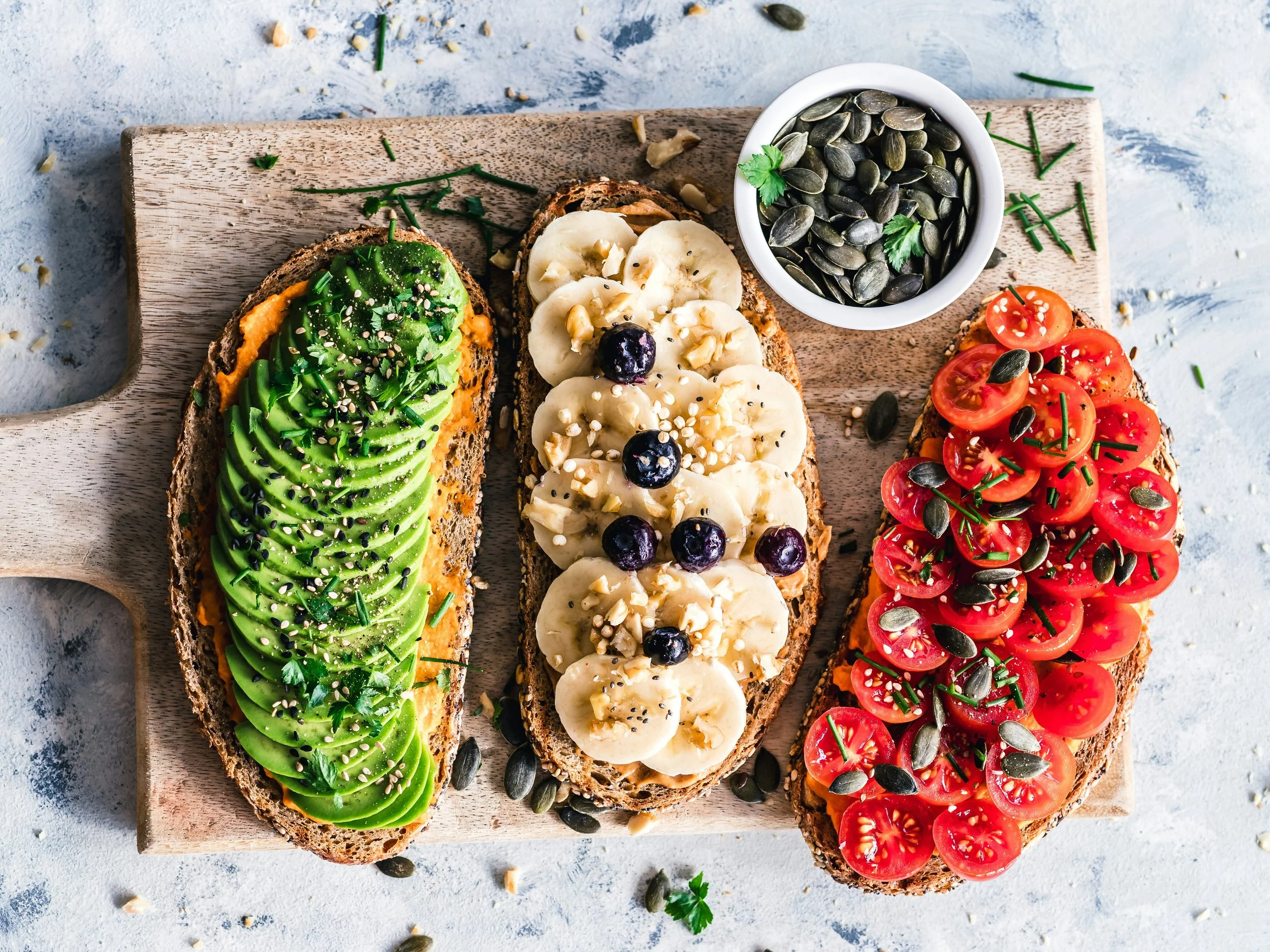
Veganism is a gentle philosophical choice which, contrary to what many people assume, is not a new movement. There are philosophies of non-harm around the world, emerging over the course of millennia, which affirm the same values. And indeed, for this or any other movement to succeed, it is important to embrace the multiple cultural languages in which the same ethical system has been expressed. Veganism is, therefore, to me, always already steeped in both community and diversity. After all, at its heart, it is about working with others and with ourselves to deepen and refine the art of living well upon this Earth.
That said, when it comes to communication, vegan activists do not have the most stellar reputation. Many people consider vegans to be perennially angry, difficult to get along with, and highly judgmental of the personal choices of others. There is, admittedly, some truth in this, but since I have become more deeply involved in vegan activism, I have generally found the opposite to be true. The vegan activists I have been fortunate to know with are sensitive, kind people, who have chosen to dedicate their time to this movement because they—I should say, we—feel that it has the power to infuse our world with mindfulness, vibrancy, compassion, and love.
On that frosty morning, my friends and I had the privilege of joining a congregation for a conversation about veganism and Lent. Our dear colleague, Pastor Adam Bowling, guided us all through a soulful discussion about the choices that we make for spiritual reasons, rather than political or economic ones. We considered the connections between the values we cherish and the food we eat. We mused about the relationship between our personal ethical compasses and the way we regard non-human beings. And ultimately, we pondered the ways in which we can embody and affirm connection and kinship with all life. This was a delicate conversation, which required us to be careful listeners, to appreciate the perspectives of others, and to share our own experiences and ethical choices with honesty and humility. What ensued from these interactions were thoughtful reflections on the art of living, with people who (at least in my case) I may not have encountered or connected with otherwise.
Two weeks later, I was in San Juan, Puerto Rico, volunteering with an organization called Casa Vegana at an event called Vegan Paradise Fest. While the event near DC was intimate and relatively quiet, this event was enormous and (as so many events are in Puerto Rico) highly festive. About eighty bakeries, restaurants, craft vendors, and vegan nonprofits displayed their wares for a crowd of about three thousand people. The booths were filled with colorful offerings, ranging from plant-based cookbooks to jewelry and clothing to (much to our delight) vegan versions of quesitos and other Boricua comfort food. Those of us who grew up on the island giddily, delightedly sampled these dishes, and when we returned to our booths, we happily shared information about Casa Vegana’s work with a refreshingly open-minded crowd.
At the center of the room was a large stage where, for the first few hours of the event, cooking demonstrations took place. Later on in the afternoon, the same stage played host to a series of dancers and musicians: a couple of cuatro players, a group of salsa instructors, and finally, a large Latin ensemble that played songs that moved us all to dance. The event was far more than a series of info sessions, sales, and tutorials: It was an effusion of joy, which connected us not only to each other but also to the rich biodiversity of the island. For many people, myself included, veganism is not just about abstaining from meat and other animal products; it is also about opening the heart to colorful, plant-based lifeways which have the potential to revive us all from the inside out.
In both Puerto Rico and the DC area, the vegan movement is often seen as an effort that is inevitably and hopelessly removed from the usual things that tie people together: religion, language, art, and, crucially, food. But what I learned from these two events is that this is by no means the case. Veganism, my colleagues and I have come to find, is simply about infusing existing communities and cultural forms with a greater degree of compassion and love. It is not a movement apart, but rather one that can help clarify our lifestyle choices and bring us back to a place of kindness and understanding, especially at a time when the powers that be are trying their hardest to tear the world apart.
To me, veganism is ultimately a global movement, forged in large measure by the plant-based richness and the spiritual philosophies of the entire world. And for this to succeed, we need multiple elements of communication: the careful and the cautious, the color and the fun. We need to cross borders, and we also need to affirm common ground. We need to confidently celebrate this movement while also recognizing that this is an issue of great sensitivity. As always, truth, meaning, and insights do not arise from one place. They arise from the dance of multiple contexts and points of view. Having come to find that this is true in the vegan movement, I am so looking forward to what we might create together.