
As a recently diagnosed person with a chronic disease, I understand how denial can be a survival tactic. Believe me, it’s not worth it.
By Junior Fellow Mikaela Loach
The UK has been in drought for months now. I can’t remember the last time it rained. I can’t remember the last time I saw a fully green field. The land around me is hard and dry and brittle and yellowed. The plants I nurtured in my balcony garden as a way of choosing to believe in tomorrow are wilted, their soils crisp. Fighting fear and doom is a daily task.
The symptoms are clear: something is terribly wrong. But what do the professionals entrusted to treat our societal issues say? Well, the new UK Prime Minister Andy Burnham has suggested that oil and gas fields we fought hard to stop from making this climate catastrophe worse could be back on the table. And the media? Still, nearly three-quarters of media reports on June’s extreme heat failed to mention the climate crisis at all, let alone the fossil fuel industry responsible for creating it. Instead, they are obsessed with irresponsibly comparing this to the 1976 British heatwave. As if this is simply no different from what has been happening for decades. It’s irresponsible and dangerous, especially after decades of work by so many to attempt to get the UK media to take the climate crisis seriously.
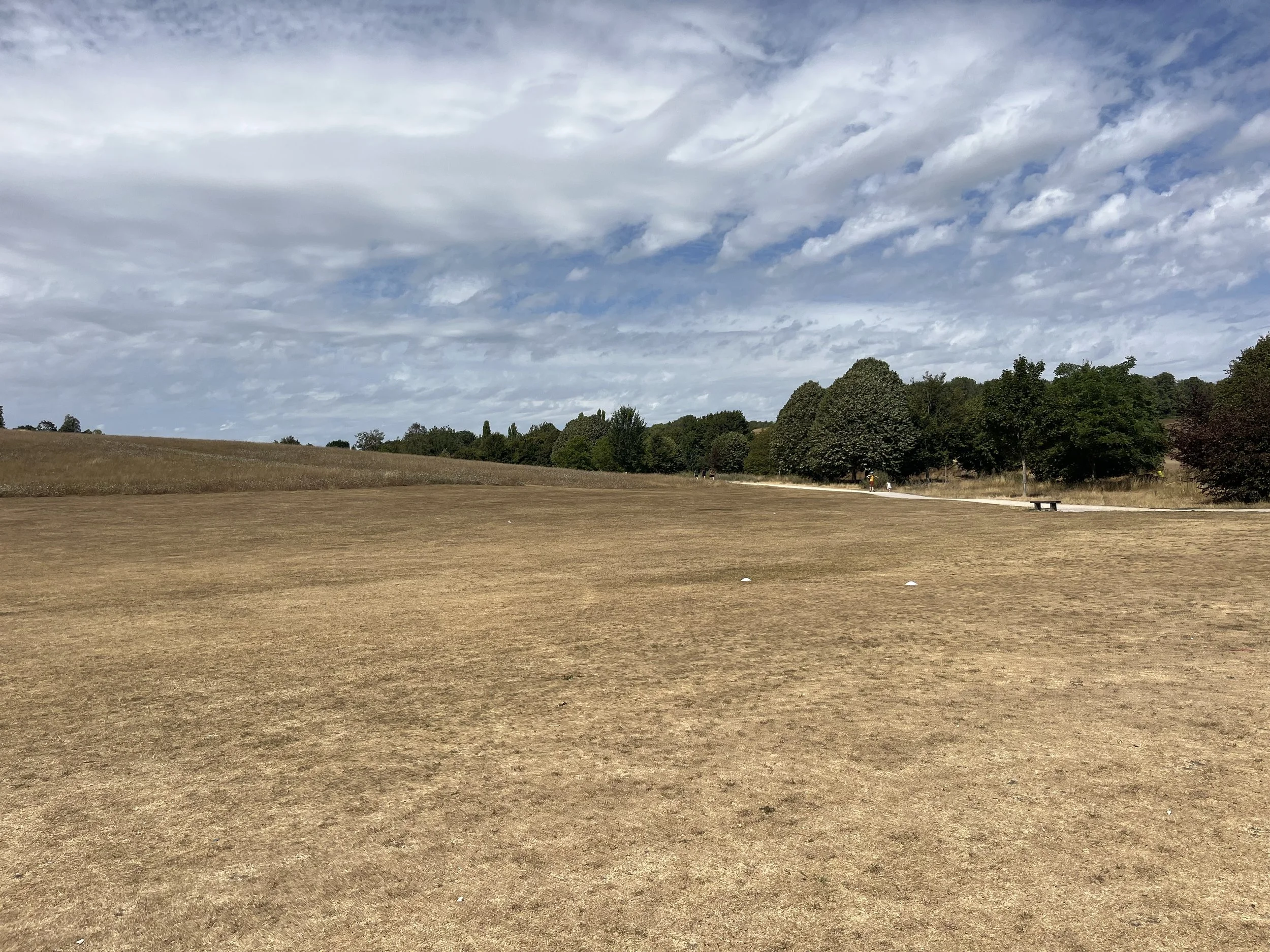
One of my local “green spaces” has been dried out by the drought.
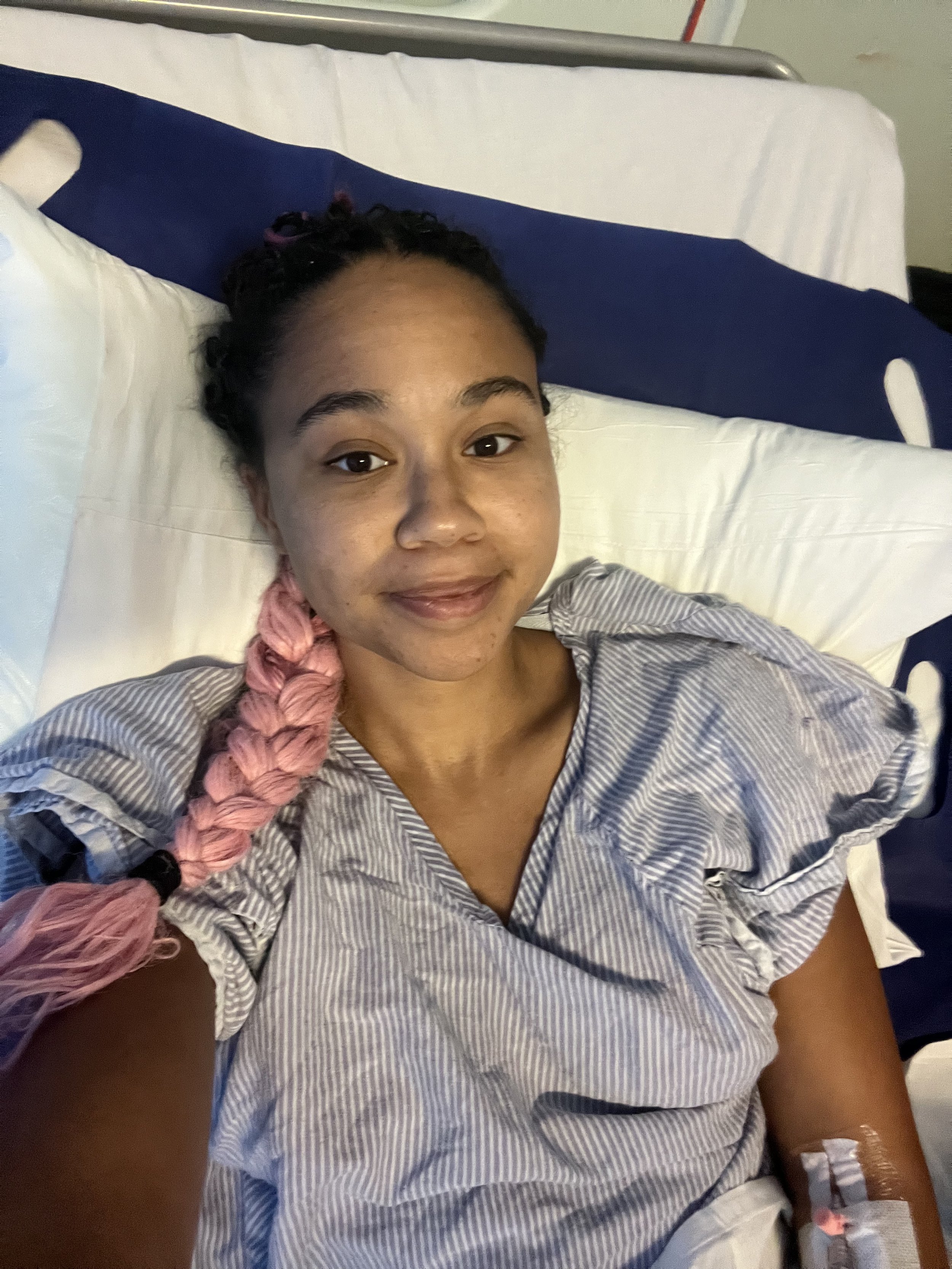
For this same period, my body has been learning to stitch herself back together. Bit by bit. Cell by cell. I found out that she’s been resisting every day for years. Fighting a disease for over a decade that no one could see until I was cut open in two places and a surgeon took a look inside. When I woke, he held my hands and looked at me with eyes filled with an apology. An apology for the years of dismissal. These were now eyes that saw me fully for the first time.
For years I was told that the pain wasn’t real, or that it couldn’t have been as bad as I said it was. In order to survive, I was taught to distrust my body. To believe her a liar: an exaggerator. Or simply to believe myself to be weak. That was easier than accepting the reality: that the pain was real and as bad as it felt. If I did speak up, others would push me, assuming I was strong enough to endure and endure and endure. Overcome. All the while my body was pushed to the limit whilst things that shouldn’t be there grew and grew and grew. The pain got worse and worse and worse until I couldn’t not believe her anymore.
Now, I am relearning how to trust her, my wondrous body who has been through so much. Now, I am relearning how to believe her, how to believe me. This belief is now my new survival.
So, when the fossil fuel companies and their media buddies try to gaslight us into believing this extreme heat and fires are normal, I see this for what it is. I’ve learned not to accept it anymore. I’ve learned this new survival. I trust her: our Earth, our world, our collective body of life. She burns and tells us she is hurting. That we are pushing her too far: that there is something wrong. I will not ignore her screams. We will not push her to go on as “normal”. I will not accept the narratives we are told by those who benefit from harm. I will not be made, again, to feel that I am unreliable for knowing the truth.
This form of survival, of coming face to face with the pain and not choosing to bury or ignore it, can hurt in itself. Well, at least to begin with. At first, it may feel harder than before. I can’t say that in the last weeks I haven’t yearned for my pre-diagnosis ignorance, the period of willful denial of my reality. In some ways it felt easier not knowing what was going on. But that ignorance was not bliss. Ignorance was pain persisting, pain growing beyond what was necessary. Ignorance makes the worst-case scenario more probable. If we aren’t aware of an issue, it doesn’t make it disappear: it just makes us more likely to create harm, to worsen it, because we don’t know what we are doing. Understanding the problem gives us a better chance to improve our outcomes: both in our personal health and with the multiple crises we face as collective humanity. Diagnosis makes successful treatment more possible. It helps us to move in a way that will minimize harm. It helps us move in a way that can truly create a better future.
If you’ve felt that in the face of all of this extreme weather you want to deny the reality of this crisis because the problem seems too bad, too big, too overwhelming to grapple with and attempt to overcome: I feel you. I understand. But know, in choosing to face this problem head-on - in choosing not to ignore the cries of our collective body of life - we open ourselves up to a future that could be far better than it would have been otherwise. Knowledge gives us options. Let’s choose every day to take actions which will not only make the worst case scenario less likely, but will make the best case scenario more and more and more possible for us all.
A better future is within our reach; it’s up to us to lean towards her every day.
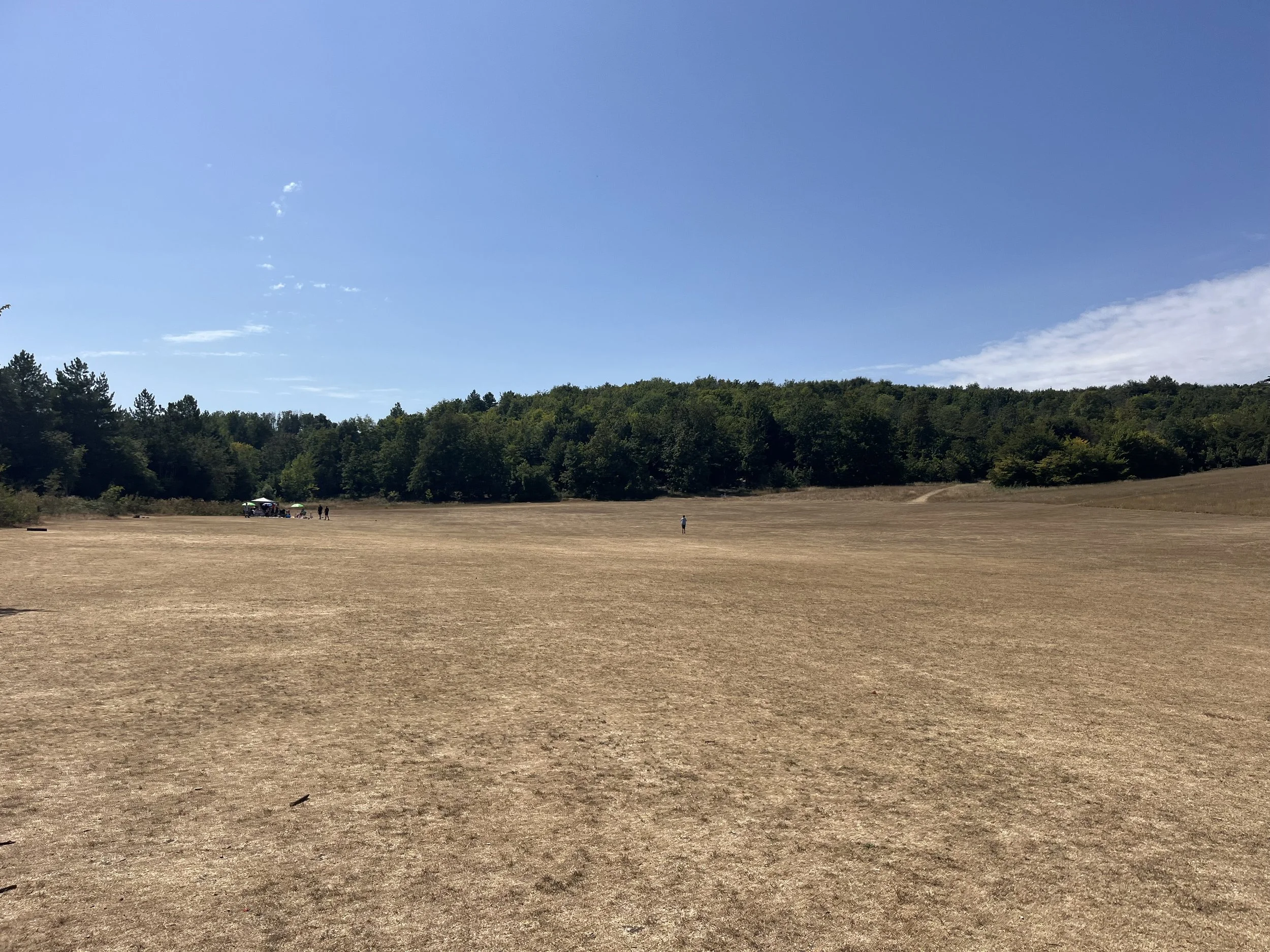
One of my local “green spaces” has been dried out by the drought.